(TheBRHM.com) Here in 2026, most people still meet these four through a six minute operatic swan dive, all piano and mock Galileo and a headbanging coda that soundtracks car commercials and karaoke meltdowns. Fair enough. That song rewrote what a single could be. But it also buried something. Long before any of that polish set in, a batch of art school misfits and one physics obsessive were cranking out music mean enough to strip varnish off a table.
Rewind to 1973 and the self titled debut shows up with no easy shelf to sit on. Plenty of reviewers were not kind, and comparisons with Led Zeppelin followed them almost immediately. Sometimes it was praise, sometimes dismissal, but either way Queen struggled to get heard on their own terms. Drop the needle now though and what you actually hear is four hungry players betting everything on a first hand. “Keep Yourself Alive” struts out on a riff that trips over itself on purpose, Brian May wringing sounds from a guitar he built as a teenager with his dad using wood from an old fireplace mantel and hardware that included a bicycle saddlebag holder. The guitar became known as the Red Special, and no factory instrument came close to that snarl. Behind him Roger Taylor attacks the drums like they owe him rent. Danger runs right beneath the shine on every cut.
Then come “Great King Rat” and “Liar,” sprawling epics that shift tempo and mood without warning. “Liar” runs past six minutes, stacking sections like a prog band that discovered testosterone. “Son and Daughter” grinds along on a doom laden churn that Sabbath would nod at. This was not delicate. Just young men proving they belonged in the ring.
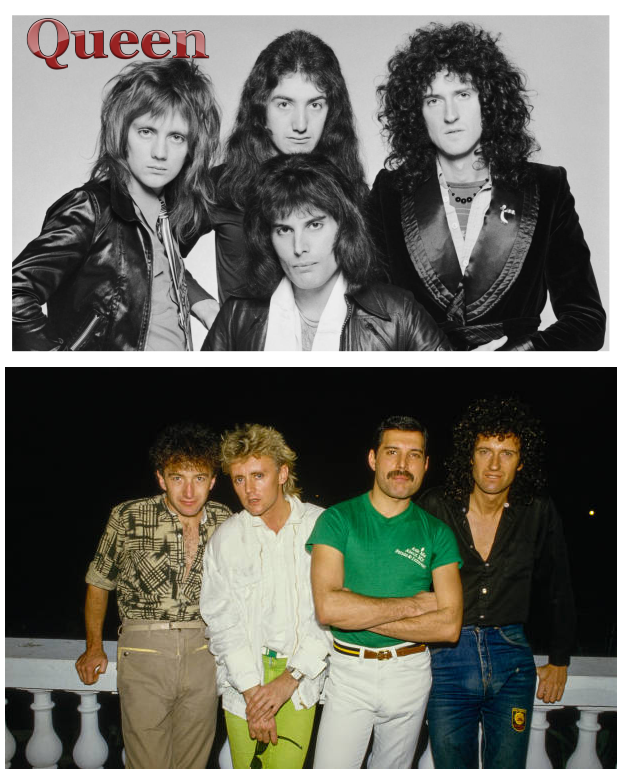
One detail from those early sleeves tells you everything. Right there in the credits, printed with attitude, sat two words. No synthesizers. Listeners kept assuming the swirling textures came from keyboards, because how else could rock in that era feel so vast? Nope. Much of what listeners mistook for synthesizers came from Brian stacking guitar parts track after track, alongside Queen’s densely layered vocals. Pure obsession. That refusal to take the easy route separated them from the pack.
Now Queen II in 1974. Here things get strange and glorious. The album splits into a White side and a Black side, and the darker half belongs largely to Freddie Mercury in full villain mode. “The March of the Black Queen” is the blueprint nobody talks about. More than six minutes of fractured rhythms, layered vocal choirs, sudden lurches from lullaby to assault. If the famous operatic epic is the magic trick everyone knows, this earlier monster is the rehearsal where they figured out much of the mechanics. “Ogre Battle” might be the heaviest thing in the entire catalog, opening with a passage played backward then slammed into your chest at full volume. Fantasy lyrics about giants and mountains, sure, but delivered with the fury of a war chant.
May’s contributions on the White side glow with a different light, more melodic, still muscular. “Father to Son” builds cathedrals of harmony guitar. “White Queen” aches. The contrast between the two halves tells you these were players who refused a single lane.
Sheer Heart Attack, released later that same year, is where the machine tightens. The sessions were complicated badly because their guitarist got seriously ill, hepatitis followed by a nasty duodenal ulcer, and the others soldiered on recording around his absence and leaving room for his parts. What emerged is leaner, meaner, more focused. “Brighton Rock” kicks the door in and gives May a solo that folds back on itself using tape echo, one guitar becoming a duel with its own ghost. Live, he could stretch that passage into long stretches of controlled chaos.
Then “Stone Cold Crazy” happens. A little over two minutes of pure velocity, a riff moving faster than most bands dared in that decade, lyrics spat out in a breathless jumble. Metallica loved it enough to cover the thing years later and snag a Grammy doing so. Plenty of historians and musicians have pointed to this track as a precursor to thrash, and you can hear why. Speed, aggression, a vocalist who sounds unhinged. All the ingredients were sitting there years before thrash became a recognized genre.
The record also carries “Killer Queen,” the elegant single that hinted at the pop dominance ahead. But even that has bite, all sly innuendo and precision playing. Sitting beside “Flick of the Wrist” and “In the Lap of the Gods,” it proved this crew could do fragile and ferocious on the same slab of vinyl.
Those first tours were less concerts than ambushes. Out on the road across America backing Mott the Hoople, the supposedly junior act was already attracting attention of its own, sharpening a stage show that would soon make Queen headliners. Forget elaborate sets or the massive production that would come later. What the crowds got instead was sheer noise, cocky as hell, fronted by a singer already prowling the boards like the venue had his name on the deed.
So what changed? Money, mostly, and ambition. A Night at the Opera in 1975 cost a fortune to produce and gambled everything on scale. It paid off. The world crowned them, arenas filled, and their sound expanded toward a broader audience. Nothing wrong with that. Reinvention kept the whole enterprise alive while peers flamed out.
Still, something slipped away in the coronation. The danger. Those first three records carry a hunger you cannot fake, the feral energy of players desperate to be taken seriously in a scene that often laughed at them. Freddie had not yet hardened into an icon. He was still a scrappy singer with a remarkable vocal range and something to prove. Brian was a science kid who put a doctorate aside for noise, only to finish the thing decades later. Taylor and John Deacon anchored a rhythm section built for impact, not decoration.
Younger metalheads know the instinct even if they discovered Queen backward through the hits. The harmony guitar templates, the theatrical scope, the flat refusal to pick between beauty and brutality helped leave fingerprints across generations of hard rock and metal. That DNA runs everywhere now, from power metal choirs to progressive bands stacking guitars and vocals with the same obsessive attention to detail.
Give the debut and its two siblings an honest listen sometime. More than fifty years on, reaching 2026, they still hit harder than the reputation suggests. Skip the greatest hits collection. Crank “Ogre Battle” until it rattles your teeth. Let “Brighton Rock” show you what six strings can do in the right hands. Discover the version of this outfit that opened for bigger acts and was already threatening to become one itself. Before the crown, before the piano ballads that filled stadiums, before that operatic beast ate the culture whole, there was a hard rock unit with fangs. Loud, arrogant, brilliant. Worth remembering, and worth defending against everyone who thinks the story started with a bicycle and a fat bottomed girl.
Staff Writer; Jerry Powell
JP is into heavy metal, rock, blues and just about anything old school… Most days, he would rather talk about a great album than whatever is trending… Hit him up at JPowell@ThyBRHM.com.