
(TheBRHM.com) Some bands grab you by the collar. Others slip a blade between your ribs so clean you don’t notice the wound until the song ends. Crimson Glory did the second thing. Five dudes out of Sarasota, Florida, decided the world didn’t need another look-alike act in denim and bullet belts. They put on mysterious silver masks and let the music do the arguing. Smart move, because what came out of those amps could stand on its own without a single publicity photo.
Here’s the thing most casual listeners miss. Underneath all that chrome theater sat genuine players. Crimson Glory formed in 1983 and got counted among the pioneers of the American progressive metal movement, right there beside Queensrÿche, Fates Warning, and Watchtower. That’s heavy company. Guitarists Jon Drenning and Ben Jackson weren’t content to palm-mute their way through verse-chorus-verse. Their harmonies twisted and climbed, trading leads like two fencers who’d rehearsed every parry. Jeff Lords on bass refused to just shadow the riff. His low end actually moved, pushing against the guitars rather than hiding behind them. Dana Burnell kept the whole machine crisp and tight behind the kit.
Then there was the voice.
John Patrick McDonald Jr. went by one name onstage, and that name fit the mystery. Midnight. The story goes that Jeff Lords found an old schoolmate singing on the beach and brought him into the fold. Lucky beach. What this man could do with a melody wasn’t fair to the rest of the guys fronting metal bands back then. His pitch and his range went past what the job called for. He’d hold a high note way up top, ride it past comfortable, then drop into a rough low wail and never once lose the thread. Range alone doesn’t do it. Plenty of singers can hit the ceiling and the floor. Few can make you believe both ends.
Which brings us to the record that matters most.
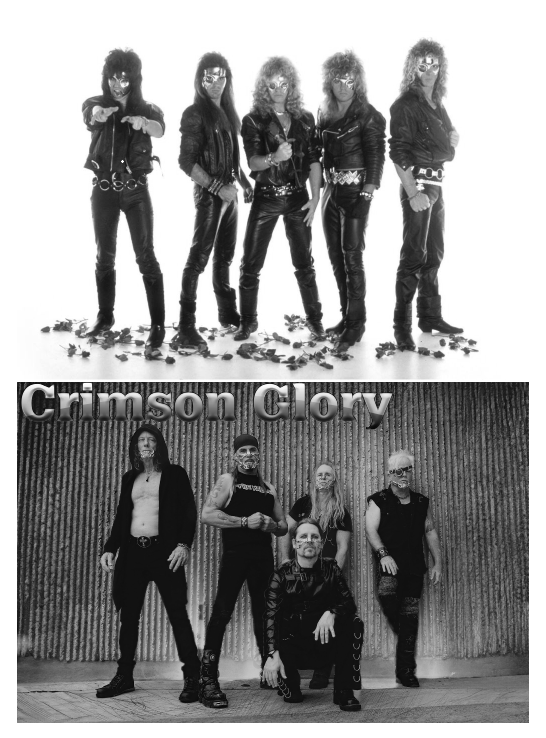
Transcendence arrived in 1988, and it’s the album that keeps the faithful coming back decades later. Released through Roadracer Records in Europe and MCA in the States, it blended heavy, power, and progressive metal into something slippery to categorize. Praise for this one stopped sounding like praise a long time ago and started sounding like fact. Fans and critics have ranked it among the finest albums of its kind. Later musicians, including Rhapsody of Fire guitarist Luca Turilli, drew inspiration from its sound. Plenty of folks in the progressive metal world still treat it as a measuring stick, the record you hold other genre releases up against.
So what keeps it alive? The songs flat refuse to coast. “Lady of Winter” opens the proceedings with a mid-tempo surge and imagery of winter, changing skies, and haunting beauty. Guitar harmonies curl around each other like smoke. “Lonely” became the surprise, a track that managed real hooks without going soft. Call “Lonely” one of the rare perfect metal singles and you won’t get much argument. It found that nasty sweet spot where the hooks dig in and the crunch still bites. That trick is brutally hard for a band swinging this big. Landing a cut the radio might actually play without gutting your progressive backbone? Most acts crack trying.
Deeper into the running order you get the real meat. “In Dark Places” and “Burning Bridges” stretch out, letting the players breathe and the arrangements wander into stranger territory. The title cut reaches for the cosmos. Lyrically, much of the album aims higher than the usual sword-and-sorcery filler, reaching for something closer to genuine poetry. Midnight spent hours working over his words, refining the imagery and making sure every line carried the right feeling. Compare that approach to what passed for deep thinking in plenty of metal records that year, and Crimson Glory looks downright literary.
Nineteen eighty-eight, by the way, was stacked. Seventh Son of a Seventh Son. …And Justice for All. No Exit. Kings of Metal. That was a loaded year for heavy, power, and progressive metal, and Transcendence stood its ground among all of them. Standing tall in that crowd tells you something about the quality baked into every groove.
So the obvious question. Why didn’t these guys blow up the way Queensrÿche did?
Timing, record business trouble, and internal changes played their parts. Metal’s whole landscape started shifting as the nineties loomed, but the masks weren’t necessarily the problem. Jeff Lords later acknowledged that the mysterious image actually helped the band land magazine covers. The real trouble ran deeper. Disappointing record contracts, disagreements over musical direction, and departures within the lineup chipped away at their momentum. The 1991 follow-up, Strange and Beautiful, swerved toward a different, more experimental sound that divided longtime followers. Midnight departed after the album was completed, stepping away from the spotlight and resurfacing occasionally with solo material and later reunion attempts. Crimson Glory returned in 1999 with Astronomica, featuring Wade Black on vocals, but that record never restored the momentum they had enjoyed a decade earlier. The engine that should have carried them to arenas had sputtered right when it mattered.
The saddest turn came in the summer of 2009. Midnight died on July 8 at the age of 47. According to guitarist Jon Drenning, an aneurysm in his stomach caused severe internal bleeding that eventually led to kidney and liver failure. The loss hit the underground hard, because everyone who’d heard that voice knew exactly how irreplaceable it was. Guitarist Matt LaPorte, who’d worked with him on later recordings, mourned losing the greatest voice and friend he’d ever known. Crimson Glory and fellow musicians gathered to honor the singer, paying tribute to a man whose extraordinary voice had given their music much of its identity.
You might assume that’s where the story closes. It isn’t.
Crimson Glory refused to stay buried. The surviving members kept the flame lit through various lineups, and in a twist nobody fully saw coming, the band mounted a real return. In 2026 they released Chasing the Hydra, their first new studio album since 1999, arriving April 17 through BraveWords Records. Three members of the classic lineup are still aboard, with Ben Jackson, Jeff Lords, and Dana Burnell now joined by vocalist Travis Wills and guitarist Mark Borgmeyer. No one’s pretending a new singer replaces Midnight. That would be impossible, and the band knows it. What they’ve done instead is honor the legacy while proving the engine still runs. Word spread that this wasn’t some dusty nostalgia lap. Listeners heard flashes of the old ambition alongside a modern approach, and the group backed up its return with festival appearances and performances across several countries throughout 2026.
The reviews went in different directions, which honestly suits a band that never once fit a tidy box. Some critics welcomed Chasing the Hydra as a worthy comeback, praising Travis Wills and the renewed fire in the guitar work. Others heard strong musicianship but questioned whether the songwriting consistently reached the heights of the band’s earlier records. Angry Metal Guy awarded it three out of five, while The Progressive Subway gave it six out of ten. More enthusiastic reviews found plenty to celebrate. Even among those less convinced by the material, the playing earned respect. That’s the Crimson Glory curse and blessing in one sentence. Too talented to dismiss, too unusual to fit neatly into anybody’s expectations.
Go back and spin Transcendence tonight. Put on decent headphones. Let “Lonely” wash over you and ask yourself how a band this good slipped through history’s cracks. The silver masks hid their faces, sure, but they never hid the talent. That part was always right there in the open, loud as a scream and twice as beautiful. All it needed was someone willing to listen.
Staff Writer; Terry Poole
This brother brings sharp ears, deep respect, and real passion to every heavy metal riff, rock record, and overlooked gem he covers for TheBRHM… He writes for fans who still believe loud music should have soul, history, and meaning…
One may contact him at TerryP@TheBRHM.com.