(TheBRHM.com) By the middle of March 2020 the entire live circuit had just seized up. Took maybe two weeks. There was a virus spreading across the world by then, and governments started padlocking anything that drew a crowd, so the clubs closed, and the arenas closed, and the festival fields sat there mowed and waiting on nobody. My inbox that spring turned into a graveyard of cancellations. Summer tour I already had tickets for? Gone, refunded, done. For a music that runs on sweat and sheer volume and a few hundred bodies mashed up against a barricade, that quiet felt less like a pause than like something quietly dying.
But heavy metal did not die. It got strange, it got scrappy, and some of what came crawling out of those shuttered rooms honestly still rattles through my skull six years on.
The stage just relocated. Climbed into phones and laptops and set up shop there instead. Metallica pried its vault wide open with Metallica Mondays, streaming a complete archival concert free every week for 23 weeks. Some rough footage from 1991 one week, a bloated stadium gig the next. I watched Cliff era material by myself at the kitchen counter and the whole thing felt ghostly, though it also felt, oddly, like the band had shoved a hand through the drywall looking for mine.
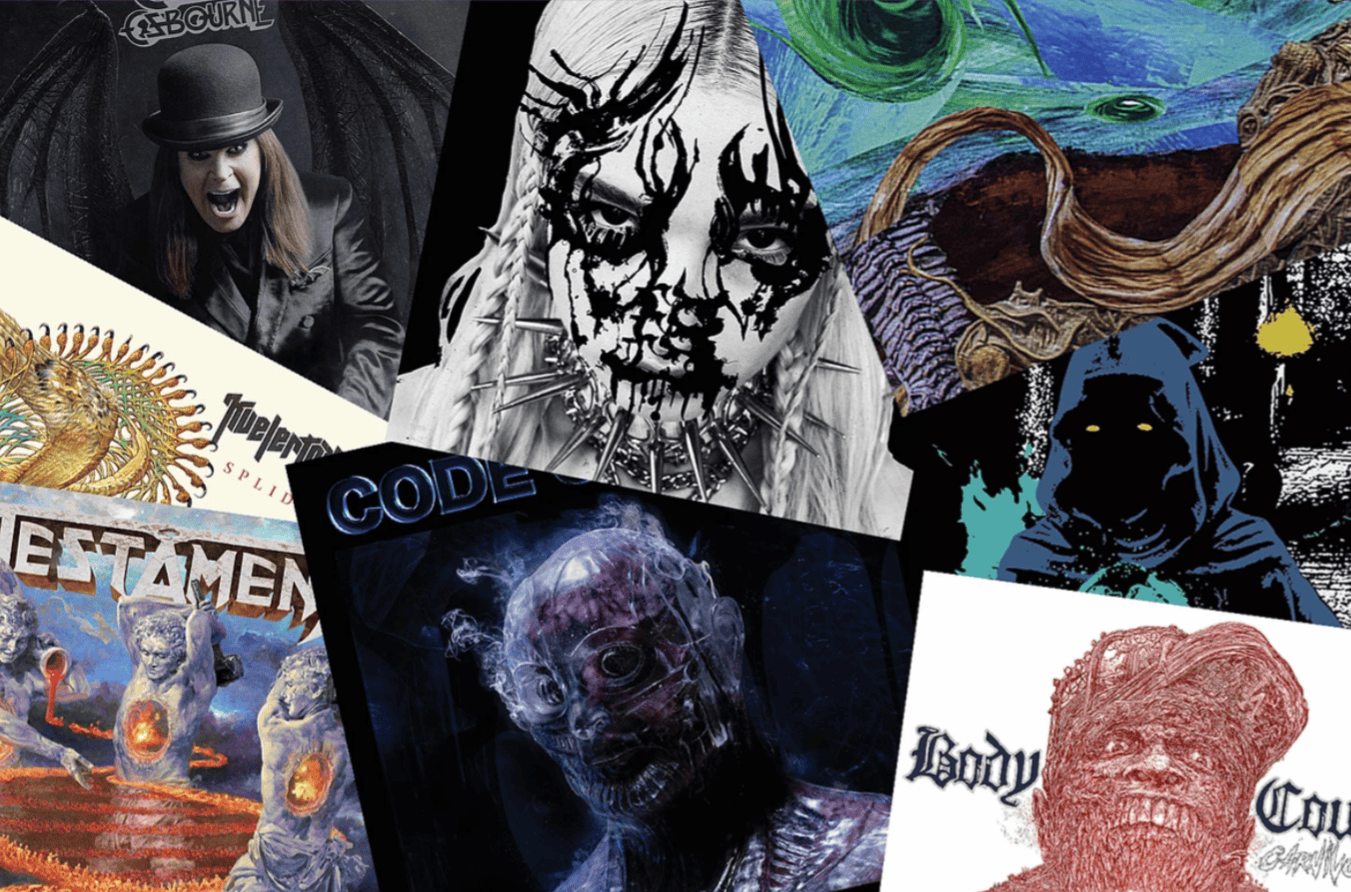
Code Orange did something braver. When Underneath dropped that same March, the band turned its release celebration into a broadcast from an empty Pittsburgh room. Cameras swooped around them while zero people stood in front of the barricade. No crowd noise. The pit sat empty. Just the group playing to the dark like it owed them something. I remember thinking that took guts, throwing that hard into a void.
Then Bandcamp did the quiet, unglamorous thing that probably kept more musicians afloat than any single webcast. The platform first waived its revenue share on March 20. By May, Bandcamp Fridays had settled into a monthly rhythm for the rest of the year, sending nearly all the purchase money to artists and labels after payment processing charges. Heads I know emptied their wallets on those Fridays, hoovering up cassettes, splatter vinyl, digital demos and weird oddball merch. It became a ritual. Payday arrived, and you spent it on the small labels and basement projects that might have folded otherwise.
For years the touring machine ran through promoters, ticketing giants, venue bookers and the whole apparatus wedged between a player and the person who loved what they made. Overnight much of that live machinery fell out. Direct sales were not new, but suddenly they became essential. A Norwegian black metal outfit could sell through Bandcamp to a kid in Ohio with fewer layers between them. That straight line from musician to listener hit harder than many of us expected.
That same collapse pushed the making of music back into the house too, and it showed. Dudes who would normally book a proper studio were suddenly cutting guitar takes in the spare bedroom with the kids screaming down the hall and an SM57 gaffer taped to the grille of a cab. Devin Townsend launched his Quarantine Project, opened a Twitch channel and let viewers watch parts of his creative process unfold in real time. Sepultura started a weekly hangout called SepulQuarta, jamming through its catalog and pulling in guests from across the map. It stopped feeling like a performance and started feeling like eavesdropping on practice.
Some of that rawness improved the material, if you ask me. There is an honesty in a riff cut without a hundred takes, a vocal that wobbles because nobody could afford to fly in a producer. The gloss got sanded off, and what remained was closer to the bone.
Plenty of it flopped, of course. Doro played an early heavy metal drive in concert in Germany, with the crowd leaning on car horns instead of clapping. Cute idea. Mostly it just underlined how badly everybody missed the actual thing. Try feeling a song built for a pit come out of a laptop speaker while next door your neighbor fires up the mower. There is no faking a couple hundred strangers roaring a chorus back at the frontman, and every stopgap that year knew it.
And underneath all of that sat the money, which was flat out grim. Think about who a tour really feeds. Start with the sound guy. Then the lighting techs, the person hawking shirts at the merch table, the drivers and the riggers. That invisible payroll got wiped out almost overnight, and unlike the bands, most of those workers did not have a dusty stack of old concert tapes lying around to sell.
Then the records kept pouring out. Paradise Lost, Napalm Death and Testament all dropped albums during that stretch, while Kvelertak’s Splid had arrived on February 14, shortly before the shutdown. Those releases gave us some of the meanest work those camps had cut in years, but most of it had already been written or largely recorded before touring stopped. The pandemic did not create those records. What the shutdown changed was the next cycle. Strip away the endless road grind and musicians suddenly had a mountain of hours to write, experiment and build material that would begin surfacing in 2021 and beyond.
I also watched the scene tighten in ways that had nothing to do with commerce. Message boards lit up. Old heads and new kids swapped recommendations, argued over bootlegs and built playlists to survive the long empty afternoons. A tribe was still a tribe, even carved up across a thousand living rooms. Being shoved apart somehow packed everybody in tighter.
Not that any of it stayed fresh. Broadcast fatigue crept in by autumn, no lie. After the tenth webcast filmed against the same black curtain, the format wore thin. But acts kept adapting, adding multiple camera shoots, guest spots and tiered ticket packages with signed extras mailed to your door. A few of those productions rivaled a proper DVD. The following spring, Nightwish built an entire virtual world around a tavern called the Islanders Arms for two concerts in May 2021. It was more theater than gig, and it landed for a lot of viewers still hungry for spectacle.
Looking at it now, none of these fixes replaced the ceremony of standing shoulder to shoulder while a wall of amps rearranges your ribcage. Nothing does. Yet heavy metal proved something about itself in that gap. It has always been outsider stuff, made by and for folks used to building their own corner when the mainstream shuts them out. Take away the venues, and the faithful simply carve a new channel out of whatever is lying around.
That instinct is old. Tape trading in the 80s, xeroxed zines, demos passed hand to hand before anybody could stream a note. The tools looked different by 2020. What drove them stayed identical, that stubborn do it yourself or do without wiring nobody ever managed to unlearn. That year just forced everybody back to first principles.
By the time stages reopened, plenty had changed for good. Selling straight to the fan stuck around. Webcasts remained an option for people who could not travel. Bandcamp Fridays survived the emergency and are still on the calendar in 2026. From where I sit, the fingerprints remain all over everything. Bands hold onto that straight line to their people now, no one waiting on a label to bless every move first, and some tours still throw a night up on a stream for whoever cannot swing the trip.
What sticks with me most is smaller than any of that. A good chunk of us walked out of those empty months understanding that heavy metal was never really nailed to a building. It lives in the racket. Seal the front door however you want. The racket gets under it.
Staff Writer; Bobby Jackson
This brother is dedicated to covering heavy metal and rock music with depth, respect, and cultural awareness. His writing highlights Black heavy metal and rock artists while also celebrating the genre’s broader legacy, influence, and artistic power.
Contact him at: BobbyJ@TheBRHM.com.