(TheBRHM.com) Heavy metal was not dead in 1995. It was becoming more dangerous.
The verdict came down hard in 1994 and 1995. Grunge had eaten rock radio alive. Flannel showed up where leather used to hang, and the folks who once handed Headbangers Ball its late-night slot just went quiet on it. MTV canceled the show in January 1995. Plenty of us took it about as well as a death in the family. The obituaries followed fast, metal bands that once enjoyed major-label support suddenly found themselves fighting to keep it, and the word making the rounds said the heavy stuff had simply run out of road, that every last one of those screaming six strings belonged to a decade folks were in a hurry to forget.
They were wrong, and not by a little.
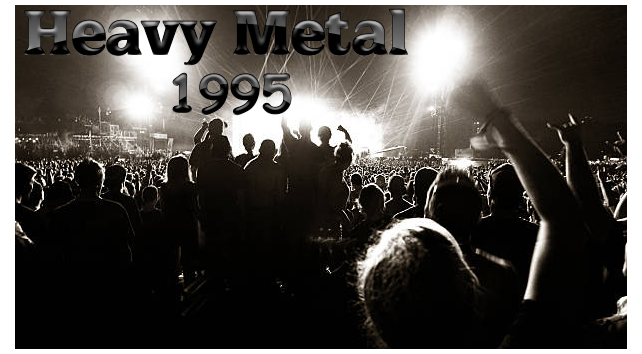
What actually happened in that same window was one of the strangest creative surges the music ever produced. While the spotlight chased Seattle, something meaner and smarter was cooking in rehearsal rooms, tour vans, and studios across Florida, Sweden, Louisiana, and Los Angeles. Most of the people making it had little radio support and no video budgets worth a damn, and the mainstream industry treated much of it as somebody else’s problem. That neglect turned out to be a gift. When there’s no camera in the room, you stop worrying about who you might upset.
Chuck Schuldiner figured that out ahead of the pack. His band Death dropped Symbolic in March, and death metal barely covers what the man was doing on it. Yeah, the riffs came at you with teeth, but Schuldiner laced the whole record with melody and jazz phrasing, and his lyrics chewed on mortality and free will while outsiders still reduced much of death metal to cartoon gore. The idea that heavy and smart couldn’t share a room seemed to personally offend him. Guitarists still pull his solos apart three decades on. They’re studying where technical extremity and philosophical ambition locked together so cleanly.
That same hunger for melody got filed down into something lethal over in Gothenburg. At the Gates unleashed Slaughter of the Soul in November. Thirty-four minutes, and it ended up redrawing the map for a whole corner of the underground. The Björler brothers and Tomas Lindberg wrote hooks you could catch yourself humming. Then they buried those hooks under racing double-kick drums and tremolo-picked guitars sharp enough to open skin. A whole generation of metalcore bands would show up in American clubs within the next decade speaking a language those Swedes helped define. None of them saw it coming yet. The album hardly made a ripple outside the underground when it dropped, which is exactly what makes the size of its shadow so strange looking back.
Down in Louisiana, heaviness took the opposite road. Phil Anselmo, already fronting one of the biggest acts of the era, gathered friends from Crowbar, Corrosion of Conformity, and Eyehategod to record NOLA under the name Down. The album arrived in September. The result dripped with swamp, whiskey, and Sabbath worship, slow and thick, everything the Florida crowd wasn’t chasing with all that speed and precision. Anselmo went fishing for no one’s approval. He and his people bottled the humidity of the Gulf Coast into something you felt in your chest more than your ears. Southern sludge got one of its bibles that autumn, and it never needed a sequel to prove the point.
Machinery had its prophets too. Fear Factory put out Demanufacture in June, and good luck naming another album from that year that sounded more like it had already visited the next century and come back with notes. Burton C. Bell kept flipping between clean singing and this inhuman roar, riding Dino Cazares riffs so tightly chopped you’d swear a machine sequenced them. Raymond Herrera nailed his kick drums to those guitars with a precision that bordered on cybernetic. The whole thing pulsed with dread about technology swallowing the human race, and it sounded exactly like its own paranoia. Industrial menace had one of its defining soundtracks, and plenty of younger acts took notes.
Sweden had another curveball loaded. Meshuggah put out Destroy Erase Improve in May, and nobody walking the earth had a word for it yet. They tuned the strings down into the boiler room, then stacked rhythms that kept folding back over themselves until you practically needed graph paper to track the pattern. The grooves stayed vicious through all of it, even while your skull tried and failed to find the one. Fredrik Thordendal soloed like a fusion cat who took a wrong turn into the wrong club and liked it enough to unpack his bags. The word “djent” wouldn’t exist for years yet, though the blueprint was already sitting right there in plain sight.
Rob Zombie brought a whole other threat, dragging horror movies and grindhouse trash straight into the pit. Astro-Creep: 2000 landed in April, White Zombie at the peak of their powers, stitching drive-in samples into fat groove riffs and this weird disco stomp you could bang your head to and shake your hips at simultaneously. The thing actually sold, climbing to No. 6 on the Billboard 200 without asking the purists for permission. Popularity didn’t dull the danger, though. Underneath all the samples sat some genuinely nasty low end, and the visual world Zombie built around it predicted a whole aesthetic that mainstream culture would eventually steal wholesale.
Six albums across one calendar year, and most never received mainstream attention equal to the size of their later influence. Astro-Creep: 2000 was the great exception, breaking through in a major way without sanding down its strangeness. That imbalance mattered far less than anybody predicted. The obituary writers had confused visibility with vitality. Cameras pointing elsewhere didn’t mean the heart stopped beating. If anything, it beat harder, freed from any pressure to please a radio format that never really wanted most of it around anyway.
Here sits the part the doom-sayers missed. A threat doesn’t require an audience, and a sound turns more menacing, not less, once it stops caring whether the culture approves. Everything above was seeding the next two decades while the press ran victory laps over a supposed corpse. Melodic aggression, groove, industrial extremity, Southern sludge, that polyrhythmic monster the Swedes unleashed, all of it traces back to the fertile patch when nobody important paid attention.
I think about that whenever people declare any art form finished. Endings rarely announce themselves ahead of time, and neither does rebirth. Sometimes the loudest funeral gets thrown right on top of a delivery room. In 1995 the mourners had the wrong address. What they took for a grave was closer to a forge, and the weapons coming off it are still cutting today.
Staff Writer; Bobby Jackson
This brother is dedicated to covering heavy metal and rock music with depth, respect, and cultural awareness. His writing highlights Black heavy metal and rock artists while also celebrating the genre’s broader legacy, influence, and artistic power.
Contact him at: BobbyJ@TheBRHM.com.