
(TheBRHM.com) When Loudwire handed Rob Halford its inaugural Lemmy Lifetime Achievement Award in 2017, it honored a performer whose fingerprints sit on the very shape of an entire genre, which makes any single award feel small next to what he built. And yeah, I said it. The folks handing him a lifetime nod were being nice. Polite, even. But it reads like thanking the guy who built your house by mailing him a gift card.
Think about what this man actually did.
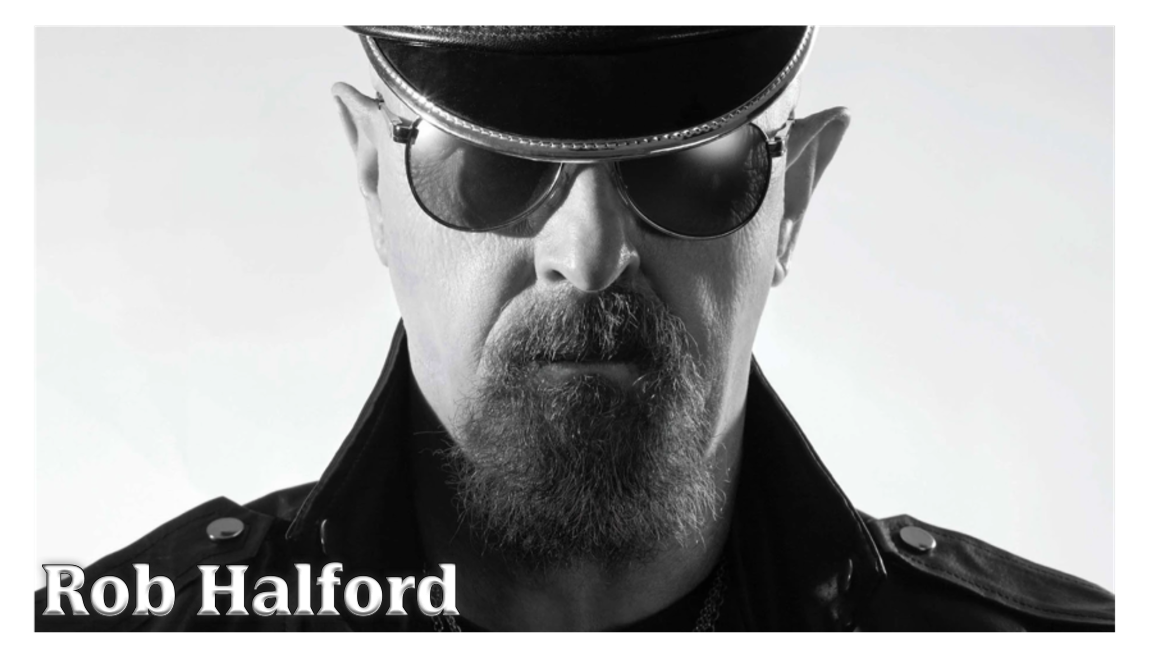
Heavy music was still squinting at itself in the mirror before Judas Priest tightened the screws in the late seventies. Sabbath had handed everybody the doom already. Purple brought the speed, plus that organ swirling under everything. What Rob and his crew added was a body for the whole thing to live in. Gave it a wardrobe. Handed it a scream that could strip paint off a wall. Leather. Studs. Chains slung across jackets like armor for some war nobody had named yet. Those pieces already existed in biker and underground culture, but they did not become heavy metal’s defining uniform until Halford and Judas Priest pulled them together. Now every kid picking up a Flying V and squeezing into black jeans is quoting him whether they know it or not.
His range is the part people fumble to describe. Most singers pick a lane. Growlers growl. Wailers wail. Not Halford. Watch him drop into a low menace on “The Sentinel” and then, without warning, launch into a shriek on “Painkiller” that sounds like a jet engine developing feelings. That title track off the 1990 record still gets pulled out as the measuring stick. Singers half his age go after those notes and wake up needing a throat doctor. The control underneath the chaos is what separates him from every screamer who came after and blew out their cords by thirty.
I keep coming back to “Victim of Changes.” Eight minutes of someone doing work with his throat that should require a permit. The song shifts moods four or five times and he rides every one of them. Early Priest gets slept on because folks reach for the radio hits first, but that early classic is where the real evidence lives. Credit the twin guitars of Tipton and Downing too, that interlocking attack giving his voice a frame worth climbing.
Speaking of hits, let me run a few for anybody late to this.
“Breaking the Law” is the one your uninitiated cousin knows. Two minutes and change of pure attitude, that riff burned into collective memory. “You’ve Got Another Thing Comin’” became the thing you blast when some authority figure needs telling. Then “Electric Eye,” watching you from above back before anybody worried about surveillance. “Living After Midnight” is a party that refuses to end. “Hell Bent for Leather” gave him the motorcycle entrance that became legend. “Beyond the Realms of Death” is what you hand somebody who swears they hate ballads. Starts quiet, guts you, then blows the roof off out of nowhere. “Turbo Lover” was the band reaching for a slicker eighties sheen, and somehow the muscle stayed on the bone.
Then there is the stage.
Some frontmen sing. This one commands. The entrance alone makes the case. A Harley rolls out in front of thousands and the roar that greets it could level a building. No wasted motion. Boots planted, mic stand gripped like a weapon, and he lets the presence do the talking. There is a reason younger performers study his footage. You cannot teach that gravity. Either the room bends toward you or it does not, and it always bent toward him.
Now let me get to the thing that takes real spine.
In 1998, on camera during an MTV interview, he said it plain. Gay, and done hiding it. Consider the world he was operating in. This was a place marinated in a very narrow idea of toughness, full of guys who thought vulnerability was a weakness to be beaten out of you. Coming out in that environment, as the man who basically defined the hypermasculine visual code everybody worshiped, took a kind of nerve most people never have to summon. The whole thing could have collapsed on him. Instead, he was met with broad support from fans and peers who understood that nothing about the songs, the voice or the man had changed. The guy was always exactly who he was. All that shifted was the offstage act, and he dropped it.
That moment matters beyond his own life. Kids who felt like they did not belong in a room full of denim and aggression suddenly had proof that the music had space for them. The move cracked a door that stayed shut for far too long, and none of it came wrapped in a speech or a lecture. No sermon. Just proof that stayed undeniable.
The longevity is its own small miracle. We are talking about a career pushing past fifty years and the pipes are still there. Go pull up recent live clips. Well into his sixties during the Firepower run in 2018, he was outworking performers a fraction of his age. Now he sits in his seventies and still reaches for heights that would humble anybody a third of that. Most voices are gone by then. Blown out, thinned, propped up by backing tracks and studio ghosts. Not his. Treats that instrument the way an athlete treats a body, with discipline and respect, and it rewarded him with decades others could only dream about.
The demons were real too. Addiction nearly took him, but he entered recovery in January 1986 and reached forty years sober in 2026. Prostate cancer showed up in 2020, leading to surgery and later radiation before doctors gave him the all clear. Every time life swung at him he stayed standing. There is a toughness there that has nothing to do with costume and everything to do with what a person is made of.
So back to the award business. A lifetime achievement statue is fine. Frame it. Put it near the door. But understand what it is actually acknowledging, which is a debt the whole genre owes and can never fully repay. Headbangers got their look from him. Singers got a ceiling to chase and mostly fail to reach. And a scene that prized fearlessness above all got handed an actual example of it, the real article, courage that cost something and paid off anyway.
That is not a trophy conversation. It is a foundation one.
Every band that ever pulled on studded leather is quoting him. The vocalist chasing a growl married to a soaring high note is reaching for a bar he set in 1976. And every young fan who felt out of place, then saw him planted there, proud and enormous and completely himself, got permission to belong.
The Metal God nickname grew out of Judas Priest’s 1980 track “Metal Gods.” Turns out it was not just a nickname. It was a job description. The man did not merely participate in this thing we love. He drew the blueprint, sang it into being, wore it on his body, and then stood inside it for half a century daring the world to keep up. Most never did.
Give him the award, sure. Just do not pretend for one second that it covers what he is owed.
Staff Writer; Terry Poole
This brother brings sharp ears, deep respect, and real passion to every heavy metal riff, rock record, and overlooked gem he covers for TheBRHM… He writes for fans who still believe loud music should have soul, history, and meaning…
One may contact him at TerryP@TheBRHM.com.