
(TheBRHM.com) Forty autumns back, a chrome skull with its eyes bolted shut and its ears clamped tight stood before the United Nations, hoisting a For Sale sign over the whole rotten transaction. Vic Rattlehead, the Megadeth mascot grinning through welded metal, put a face on an argument most people in 1986 preferred to mumble. Peace sells. Who’s buying, though?
Start with the guy gripping the guitar. Dave Mustaine got tossed from Metallica in 1983, handed a bus ticket and a grudge heavy enough to flatten a lesser talent. Resentment tends to rot a person from the inside. Here it did the reverse. That second full-length from the frontman’s fledgling crew arrived on September 19, 1986, and it pulled off what a raw debut had only gestured toward. Spite, aimed with surgical calm, became craft.
Ask any working guitarist about this thing and watch the eye twitch begin. Riffs dodge exactly where an ear wants them to settle. “Wake Up Dead” lurches through shifting rhythms like a drunk tumbling down a fire escape, yet every stumble feels deliberately plotted. Chris Poland, the lead player back then, poured jazz phrasing across the rhythm bed until solos resembled a saxophone arguing with itself rather than any ordinary metal fireworks. Gar Samuelson attacked the kit with a swing lifted from fusion records, not the punk stomp powering much of the genre in that moment. Down below, David Ellefson ran actual counterpoint on bass. Four musicians, no filler, zero concern for your comfort.
The title cut alone rewired what a heavy song could sound like. That opening bass figure grew so iconic MTV News swiped it for a theme, a delicious irony once you clock the lyric sneering at the very machine beaming it into living rooms. Mustaine’s narrator fires back at a society eager to brand younger people irresponsible, faithless and unwilling to contribute. Every accusation receives a sarcastic answer, from questions about religion and employment to whether ordinary citizens still have a meaningful voice in their government. Beneath the sneer sits a willingness to embrace change, provided somebody can finally offer something that works. The song’s brilliance lies in that combination of frustration, humor and outright defiance.
Words carried as much weight here as fretwork, and that gap separated this bunch from a pack of peers content to shriek about Satan and velocity. Politics, media rot, private wreckage, religious hypocrisy: everything got skewered using a vocabulary you rarely met in the pit. “Devils Island” reads like a prison memoir. “Good Mourning/Black Friday” compresses a slasher film into nearly seven furious minutes. Even the Willie Dixon blues number, “I Ain’t Superstitious,” gets hauled through a thrash grinder and emerges mean instead of reverent. Clever never meant soft with these guys. The cleverness only meant the knife slid in cleaner.
Now, the elephant in the room. You cannot tell this saga without the group that showed the frontman the door, and the whole thing breathes through that wound. Every scorching passage plays like a letter mailed north to the guys who slotted Kirk Hammett into the vacant chair. Look what I built without you. Metallica had gone off and cut Master of Puppets that very year, a genuine colossus, and the timing sparked a rivalry destined to smolder across decades. Here comes the part that starts fights at the bar. Puppets won on scope and sales, no argument there, yet Peace Sells… but Who’s Buying? beats it on raw technical nerve, note for note, measure for measure. Nothing on Metallica’s masterwork twists and stutters with quite the same sick invention as “Wake Up Dead.” One camp prized the epic sweep. The other swore by the wired menace pouring out of the challenger, the noise of a man proving a point to everyone who ever doubted the enterprise.
What this album truly constructed, past any single riff, was an identity. Before that release, Dave risked ending up as a footnote in somebody else’s biography, the cautionary tale about drinking your way out of a legendary gig. Afterward, the world grasped the difference between two thrash titans. One brooded and towered. The other snarled, philosophized, and dared you to chase the fretboard gymnastics. Faster, nastier, wordier, funnier in odd corners. That eight-track statement drew a border and planted a flag in the ground. Megadeth no longer needed Metallica’s shadow to give the band a recognizable shape.
Four decades on, the reach remains enormous. The album helped establish a vocabulary that later generations of technical thrash and progressive metal musicians would continue exploring. Those abrupt rhythmic turns, jazz-influenced solos and tightly interlocking guitar passages demonstrated that aggression and musical sophistication could occupy the same cramped room without either surrendering an inch. Kids born long after 1986 still learn the title track the way jazz students learn “Giant Steps,” a rite of passage that either humbles you or forges you. Plenty of heavy records sound impressive until their production begins showing its age. This one still makes the listener work to keep up.
So where does the whole story sit right now? Fittingly, at the closing chapter. Megadeth’s 17th and final studio effort, a self-titled farewell released January 23, 2026, managed something none of the vintage classics ever pulled off. It debuted at No. 1 on the Billboard 200 with 73,000 equivalent album units, including 69,000 in actual sales. The old warhorse topped the mountain at last. Cheekily, the record closes with a bonus cover of Metallica’s “Ride the Lightning,” a composition Mustaine helped write before his dismissal. He described its inclusion as a way of paying respect to where his career began. After decades of feuding, competing and answering questions about the past, that decision carries a weight no ordinary cover song could match. The man who spent years trying to escape Metallica’s shadow finally revisited a piece of their shared history on his own terms.
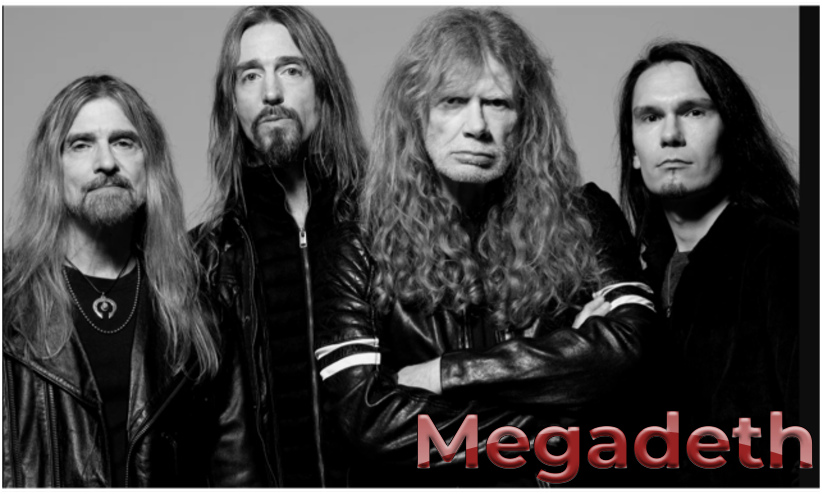
The goodbye run stretches worldwide and into 2027, with James LoMenzo on bass, Teemu Mäntysaari handling lead guitar and Dirk Verbeuren driving the drums. A 24-date European stretch begins in March 2027, bringing Black Label Society and Testament along for the ride. Mustaine’s memoir, In My Darkest Hour, arrived September 8, offering a personal account of his cancer diagnosis, treatment and the frightening possibility of losing his voice and musical career. Having fought his way through throat cancer following his 2019 diagnosis, the guitarist now faces another physical challenge. During a September book event, he discussed Dupuytren’s contracture, a condition affecting his hand that has complicated his ability to play. He has made clear that the decision to bring Megadeth’s touring career to an end is tied to his desire to perform at the standard he expects of himself. That knowledge gives every remaining concert an added weight. For the faithful who never wandered off, watching the man responsible for so much of thrash metal’s vocabulary take his final bows means considerably more than hearing a familiar collection of songs one last time.
Spin that 1986 landmark tonight and the fury has not faded a single decibel. It roars like a young talent with everything to prove and a lifetime of grudges crammed into a Marshall stack. That is a long time for a warning to stay this loud. Vic Rattlehead still clutches the sign. Somebody out there keeps refusing to buy. And that stubborn refusal, more than any solo or scream, explains why the record still refuses to die.
Staff Writer; Kirk Robinson
This man is a Rockhead with a deep appreciation for rock, country, folk, blues, heavy metal and the musical traditions that connect them. He writes about artists, albums, music history and the sounds that continue to shape generations. Feel free to contact him at KirkR@TheBRHM.com.