
(TheBRHM.com) Most folks meet Fleetwood Mac inside a golden California haze, all mirror ball harmonies and “Dreams” pouring from a car radio on some lazy afternoon. Wind the clock back nearly a decade before that, though, and you land somewhere dirtier and louder, way closer to the swampy roots that later fed the heavy music I grew up worshipping. Peter Green built the original machine out of sweat and Chicago electricity, not sunshine and studio gloss.
Picture London in 1967. Young English kids were obsessed with records cut by Black American masters, giants like Muddy Waters, Elmore James, and Howlin’ Wolf. Into that fever walked a skinny six-string prodigy, a quiet Londoner soon filed in the history books as Peter Green, fresh off replacing some fellow called Eric Clapton in John Mayall’s Bluesbreakers. Filling Clapton’s boots looked impossible. The newcomer did more than manage it. B.B. King reportedly said Green had the sweetest tone he had ever heard and was the only guitarist who gave him the cold sweats, and one listen to those early recordings tells you plenty.
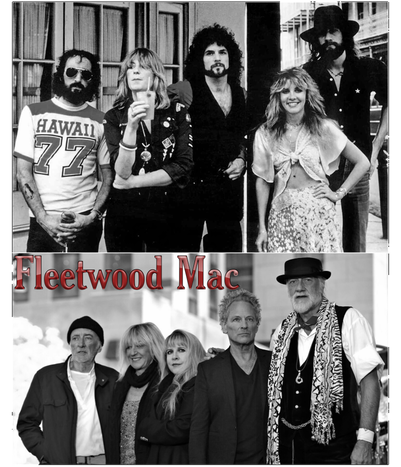
The group initially came together around Peter, drummer Mick Fleetwood, slide guitarist Jeremy Spencer, and bassist Bob Brunning. Green had wanted John McVie from the beginning, even naming the band after Fleetwood and McVie before the bassist agreed to join. Brunning eventually stepped aside, McVie came aboard, and the rhythm section was complete. Spencer worked a slide like he had memorized Elmore James note for note, and once Danny Kirwan showed up in 1968, you had three axe men stacked across the front. Blue Horizon, a scrappy little label, released the band’s debut album. Sweaty rooms, long nights, everything steeped in the Chicago blues tradition. Shawls and mystic poses were nowhere near this yet. It ran loud, it ran mean, and it bowed low to Robert Johnson and the men who followed after.
Then something wild happened on the charts. “Albatross,” a dreamy instrumental released in late 1968 that floated like heat over the ocean, reached number one in Britain in early 1969. Suddenly a blues act owned pop radio. The bandleader kept writing, and every fresh piece got deeper and stranger. “Black Magic Woman” came from his pen years before Santana turned it into a Latin rock inferno that many casual listeners still associate primarily with Carlos. “Oh Well” married acoustic menace to a riff heavy enough to crack pavement. “Man of the World” ached with a loneliness that would later make painful sense to anyone who followed the founder’s story.
Here is where my metal-loving heart really lights up. Our man dreamed up a haunted, paranoid beast titled “The Green Manalishi (With the Two Prong Crown),” a fever nightmare about money and dread. Judas Priest grabbed that tune, cranked the gain, and hammered it into a live staple headbangers still scream along to without always knowing its origin. Their recording appeared on the American release of Hell Bent for Leather and later on the 1979 live album Unleashed in the East. Rob Halford and company basically canonized a bluesman’s demon for the leather and studs crowd. That is lineage, plain and simple.
Gear nerds among us know an even juicier chapter. The founder played a 1959 Gibson Les Paul Standard whose neck pickup had reversed magnetic polarity, producing that nasal, vocal, unmistakable out-of-phase cry when both pickups were selected. Gary Moore owned that instrument for decades and treated its first master like scripture. Eventually Kirk Hammett of Metallica bought the thing, reportedly for a considerable sum, and now plays heavy metal on the very wood that once sang some of the sweetest electric laments in England. One Les Paul, three generations, a straight cable from blues-drenched sorrow to Bay Area thrash. Beautiful.
So what happened to the earliest, purest version of this band? Green’s worsening mental health, discomfort with fame, and experiences with LSD all became part of a complicated personal struggle. His growing unease with wealth and the music business was no secret, and by 1970 he had decided to walk away. He was subsequently diagnosed with schizophrenia and spent years receiving treatment while largely withdrawing from public life. The relationship between his drug experiences and psychiatric difficulties remains more complicated than the old rock mythology sometimes suggests. Thankfully, that was not the end of his musical journey. Green eventually returned to recording and performing, notably with the Peter Green Splinter Group during the 1990s. The Green God, one of the finest guitarists Britain ever produced, had endured a difficult road, but his music never lost its power. Gone in 2020, never once forgotten.
What came next reads like a soap opera with a killer soundtrack. Spencer disappeared during an American tour in 1971 and subsequently joined the Children of God religious movement. Kirwan was dismissed in 1972 amid his own personal struggles. American guitarist and songwriter Bob Welch helped steer the band through a moodier transitional era, while keyboardist and singer Christine McVie, formerly Christine Perfect, added warmth and craft after officially joining in 1970. Momentum sputtered badly at times, and the lineup kept changing. By 1974, the whole operation had relocated to sunny California, chasing a clean start on foreign soil. Welch departed late that year, leaving another vacancy in a group that had already survived more personnel changes than most bands could withstand.
Then came the hire that flipped the whole story. Lindsey Buckingham and Stevie Nicks arrived in 1975 as a package, a couple both onstage and off, and the entire personality of the outfit changed. Their first outing together, the album carrying nothing but the band’s name, sold huge. Rumours landed in 1977 and blew past anything sane, eventually selling tens of millions of copies, all of it recorded while the personal relationships inside the group were falling apart. Gorgeous heartbreak, glossy production, radio perfection. Rock royalty, crowned.
Casual fans who float in on “Go Your Own Way” often have zero clue that the same nameplate once belonged to a snarling club act channeling the Delta and Chicago through Marshall stacks. Two utterly different beasts wearing one banner. The California version continues generating enormous interest decades later, yet the founding chapter remains the one tone obsessives, blues enthusiasts, and metal historians treasure like holy writ.
So where do things sit in 2026? Fleetwood Mac has no announced reunion tour, and Christine McVie’s death in 2022 remains a painful dividing line in the band’s story. Mick Fleetwood, the only musician who remained with the group throughout its many transformations, continues keeping its history alive. Lindsey Buckingham has been discussing new material and hinting that 2027 could bring some interesting developments. More surprisingly, Buckingham and Stevie Nicks have found their way back to speaking regularly after years of distance. Their improved relationship has unfolded alongside work on an authorized Apple documentary directed by Frank Marshall, a project without an officially announced premiere date. Buckingham has described the experience as a healing process for the surviving members. Meanwhile, Stevie continues her solo career, and tribute acts still carry those old songs into theaters around the country. The band’s absence from the touring circuit has hardly diminished its musical presence. With Rumours approaching its fiftieth anniversary in February 2027, another chapter in the Fleetwood Mac story may be ready to unfold.
Do yourself a favor and dig backward. Start with “Albatross,” sit inside “Oh Well,” then blast the Priest reading of “Manalishi” back to back with the original. Somewhere along that route, from a Cornish coastline of the imagination all the way to Metallica’s stage, the plain truth rings out. Long before the shawls and the platinum plaques, this was a fierce, worshipful, gloriously electric love letter to the sound born in the American South. Peter Green heard God in six strings, and the rest of us are still trying to catch up.
Staff Writer; Kirk Robinson
This man is a Rockhead with a deep appreciation for rock, country, folk, blues, heavy metal and the musical traditions that connect them. He writes about artists, albums, music history and the sounds that continue to shape generations. Feel free to contact him at KirkR@TheBRHM.com.