
(TheBRHM.com) Somewhere along the way the story got sanded down. The Beatles became the tidy soundtrack of your grandmother’s china cabinet, all handclaps and moon and June couplets, something you hum in an elevator without anyone flinching. That picture is a lie of omission. Buried in the catalog runs a vein of noise so ugly and bruising that whole genres eventually mined it for parts, then forgot to name the quarry they dug from.
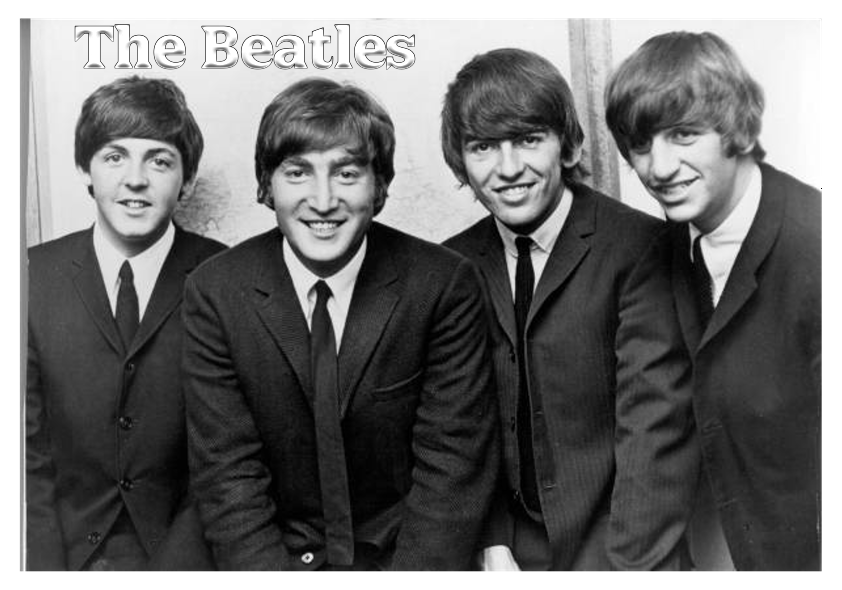
Drop the needle on “Helter Skelter” and brace up. What comes screaming out bears no resemblance to the moptop cliché. Paul McCartney, the supposed sweetheart of the group, wanted to cut something as loud, dirty, and punishing as anybody had pressed to wax, and the takes carry the scars of that ambition. The pulse lurches. It trips over itself and nobody bothers to correct it, because radio pop in 1968 wanted a clean pocket and this track spits on the idea. A guitar squeals somewhere in the wreckage. The chords blur so badly you quit hearing them as separate notes. They just turn into weight. Ringo ends up hollering about blisters on his fingers, and I believe him. Racket like that leaves a mark on whoever made it. Fifteen years on, Mötley Crüe covered the tune and somehow rendered it tamer. That fact alone should tell you where the source was aiming.
Now put on “I Want You (She’s So Heavy).” Lennon rarely dared this hard. The thing runs close to eight minutes, and the entire lyric uses only fourteen distinct words, repeated until they quit meaning anything romantic. What lands instead is dread, plain and physical. A descending figure crawls downward, a staircase dropping into a flooded cellar, over and over, gathering menace on every pass. The closing stretch piles a Moog generated wash of white noise over the descending figure, and Lennon ordered the tape cut off in midswing, letting silence fall like a guillotine. No pop craftsman thinks in those terms. Doom architects do. That crushing loop anticipates the tar thick sludge Tony Iommi would soon make central to heavy metal.
People overlook “Yer Blues” because it hides inside the sprawl of the White Album, yet that neglect does the cut dirty. Captured in a cramped annex room beside Studio Two’s control room to keep the players shoulder to shoulder, the recording drips with genuine self hatred. Lennon sings about wanting to die and clearly means the delivery, his voice fraying past the point of polite composure. The band attack their instruments with the ragged desperation of a bar act three whiskeys deep, then the arrangement lurches into a stumbling second half that seems to collapse while somehow tightening its grip. That marriage of blues bones and raw emotional violence resembles the heaviness Led Zeppelin would soon carry into the wider world.
Consider “Revolution,” specifically the fierce single, not the shuffling album version sharing its name. The tone alone stands as a landmark. Engineers deliberately overloaded the recording equipment, jamming the signal so hard the guitars bled into fuzzy, splintering chaos. Few mainstream singles had pushed deliberate studio distortion this far. The result snarls. Its texture, distortion shoved past malfunction into intent, became part of the vocabulary punk and thrash would later treat as scripture. Strip the topical lyric off and what remains is a schematic for aggression rendered through equipment abuse. The fury sounds intentional. Almost gleeful, even. Nobody expected a shot like that fired from inside the most beloved band on the planet, but there The Beatles sat, doing it anyway.
Go back even earlier, to 1966 and “She Said She Said” on Revolver. The song came out of an acid trip, a conversation with Peter Fonda about what dying feels like. You can hear that fog soaked into the arrangement. The meter refuses to sit still. It keeps stumbling between counts, and the floor drops out from under you again and again. Harrison’s guitar has a hard ringing bite to it, closer to what players chased ten years down the road than to anything around it in 1966. That disoriented feeling, a riff twisting time into a threat, turned into a whole language. The heavier psychedelic crews grabbed it and never came home smiling. Its lurching psychedelic weight foreshadows sounds later embraced by stoner rock. Any group building a song around one wrong sounding riff is working from a vocabulary this recording helped establish.
Here is what binds these five songs together, and why the argument holds weight. Four arrived before Led Zeppelin released its debut in early 1969, and all five were out before Black Sabbath’s self titled first album appeared in February 1970. The Beatles did not invent heavy metal by themselves, but they helped establish parts of its sonic vocabulary before the genre fully hardened into form.
Those Liverpool players were not simply writing hooks and chasing screaming teenagers. They were quietly assembling a toolbox that heavier builders would grab without permission: distortion as color instead of flaw, repetition as pressure, the deliberate wrecking of the pretty in favor of the physical. Listen close and the through line announces itself. Songs stop and start where you least expect. Tension hangs unresolved on purpose. The studio itself becomes a weapon. Acts that showed up down the line used every one of those tricks, whether they reached them through The Beatles or through the wider rock culture The Beatles helped reshape. Riff worship, that near religious devotion to a single repeated phrase carrying an entire composition on its back, begins here as much as anywhere. Strip off the accents and the haircuts and what remains is engineering, cold and deliberate, aimed at maximum impact.
None of this pretends the four wore leather and spat blood between takes. They remained world beating pop craftsmen with a sharp instinct for the charts, and plenty of their output floats featherlight and sweet. Still, the myth treating them as gentle by default erases a group that could turn absolutely savage whenever the mood struck, and that savagery was no accident. It was appetite. McCartney wanted the loudest racket on earth. Lennon wanted his fixation carved into stone. The whole crew was willing to let a song go ugly if ugly served the point. Metal picked up that same impulse and ran off with it.
Metal’s debt to The Beatles is often overshadowed by the usual Sabbath and Zeppelin origin story. Some modern outfit tunes down, lets one churning figure grind for four brutal minutes, and calls the result heavy. That blueprint runs older than the founding fathers everybody names. Play those five recordings loud, the way they were built to be played, and the polite fiction falls apart. What sits underneath is meaner, denser, and far more dangerous than the tidy story admits. That crushing quality was present early, coded into the work of a band we mythologize as squeaky clean. Pioneers who came afterward earned their flowers, no argument there. A fair accounting, though, has to reach back to The Beatles, four kids who on a handful of unforgettable nights conjured a brutal, beautiful noise pointing straight toward everything loud still to come.
Staff Writer; Bobby Jackson
This brother is dedicated to covering heavy metal and rock music with depth, respect, and cultural awareness. His writing highlights Black heavy metal and rock artists while also celebrating the genre’s broader legacy, influence, and artistic power.
Contact him at: BobbyJ@TheBRHM.com.