(TheBRHM.com) Most people slap a label on this band and walk away satisfied. Funk rock. Two words, case closed. That tag has followed them since the mid eighties, and it flattens something that deserves a much closer listen. What they built over four decades refuses to sit still inside any single box, and pretending otherwise does a disservice to one of the more restless discographies in modern American music.
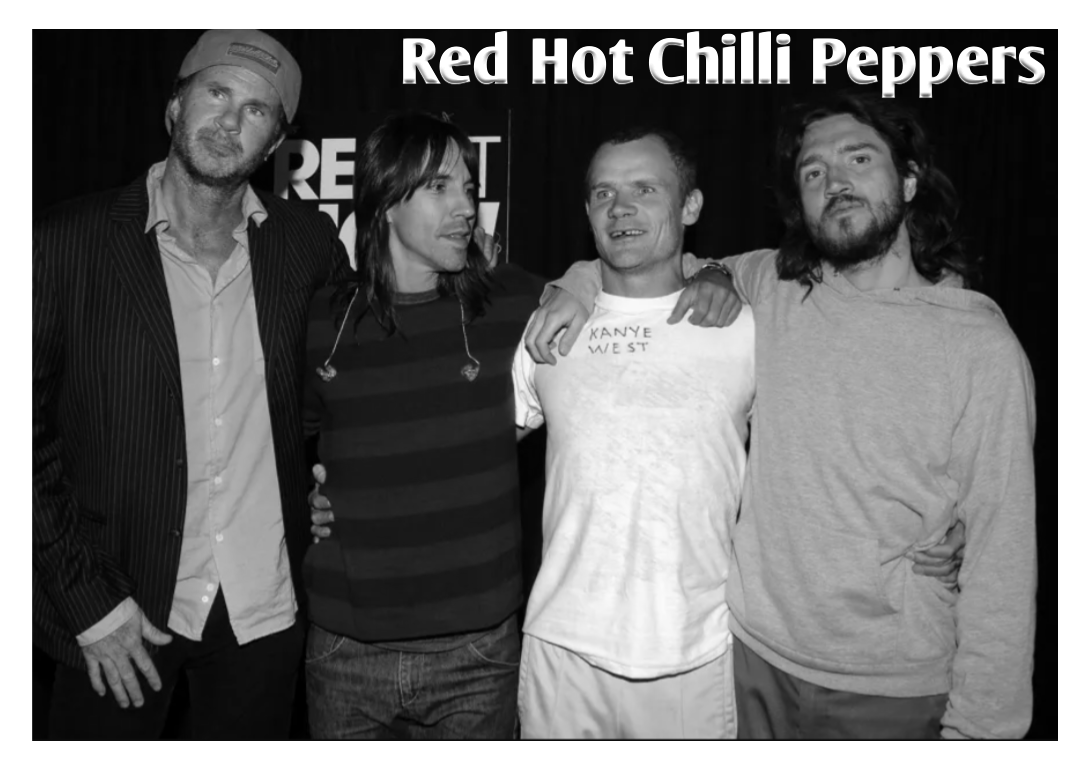
Start with the obvious thing critics love to point at. Flea plays bass like he stole it from a Parliament session and lit the thing on fire. He slaps, he pops, he thumbs a string until it bruises. Watch his hands and the whole percussive vocabulary is right there. Add Anthony Kiedis rapping half his verses back in the 80s and you get why the shorthand stuck. Only that shorthand ignores where the roots actually run, because they filtered funk through the speed and aggression of the Los Angeles punk scene. George Clinton himself produced their 1985 album Freaky Styley, so that P Funk connection was never imaginary. It simply shared space with something angrier and faster.
Their beating heart was always partly punk. The original band emerged from the Los Angeles scene where punk and hardcore were exploding, and Flea himself spent time playing with Fear. Speed mattered. Aggression mattered. Songs ran short and sweaty. When they covered Stevie Wonder’s “Higher Ground” on Mother’s Milk, they did not lay back into the groove the way soul purists might want. They attacked it. The rhythm section pushes forward with a manic urgency, guitar stabbing rather than sliding, and the whole arrangement feels like a track that might collapse from its own momentum. That is punk logic applied to a gospel soaked plea about salvation. The tension between those two impulses is the entire trick.
Then arrived John Frusciante, and everything about the guitar chair shifted. Here was a kid obsessed with Jimi Hendrix and Jimmy Page, soaked in psychedelic possibility. His arrival cracked open a lane the group had barely touched. Now you had washes of tone. Reverb tails hung in the air. His chord voicings owed way more to 60s acid rock than any street corner jam. Blood Sugar Sex Magik split the difference between raw and dreamlike, and “Suck My Kiss” nails one half of that. Riff driven, nasty, built on a stomping figure that any metal band would recognize. The verse practically snarls. Chad Smith drums it like a man swinging a sledgehammer, and if you strip the vocal and hand this to a thrash outfit, nobody would blink. Those flashes of heaviness get overlooked constantly, yet they thread through the catalog like a dark undercurrent.
People forget how strange the band could get once psychedelia took hold. “Warped,” opening One Hot Minute, unsettles you on first contact. Dave Navarro dragged his Jane’s Addiction instincts into the room, all swirling delay and low menace, and the song keeps lurching. Grinding heaviness one second, disorienting drift the next. No record got them closer to full weight guitar music. That is also why fans split over it, since the sunny funk formula everybody expected simply vanished. Listen to it now with fresh ears. The thing is caked in dread and distortion, a fever dream that many longtime followers never forgave. I happen to think it is fascinating exactly because it refuses to comfort anybody.
Frusciante returned, and with him came the era that scrambles the simple narrative most thoroughly. Californication moved toward melody, toward space, toward something almost gentle. By the time “Around the World” kicks off that album, the sound had grown enormous. Flea unloads one of his most explosive bass intros, a blur of notes that immediately announces the song, and the chorus explodes into pure widescreen euphoria. There is no easy genre for this. The song hits hard but stays melodic, packs in a ton of notes and somehow still floats. Everything the members had soaked up over twenty years of listening feeds into it. Their pop instincts run right alongside the serious chops, and the two never trip over each other.
That pop sensibility deepened, and honestly it became their secret weapon. Anybody can slap a bass. Writing a hook that lodges in millions of skulls for twenty years takes a different gift entirely. “By the Way” demonstrates the range inside one track. The song opens on a melodic passage before suddenly exploding into a frantic verse, Kiedis firing syllables over a jittery bassline. Then it swings back toward that lush melodic refrain as if the two moods were always meant to live together. Frusciante piled up vocal harmonies like a Beach Boys disciple across that whole record, sweetening the grit sitting underneath. Brian Wilson meeting Los Angeles hardcore is not a combination anybody predicted, but there it is.
The alternative rock world claimed them during the 90s boom, and that fits too, though it fits loosely. They landed too weird for the mainstream, yet somehow too big for the underground to keep. That put them in strange company, next to other acts nobody could file cleanly either. Radio spun them into the ground while the songs quietly smuggled odd structures past listeners who figured they had the band pegged. That slipperiness is the point. A group content to be one thing does not survive lineup deaths, addiction, breakups, and reunions across forty plus years while still drawing massive crowds deep into its career.
Here is what the lazy funk rock label misses most. These musicians were sponges, absorbing the entire history of American popular sound and spitting it back through a filter nobody else possessed. Gospel yearning lives in their ballads. Hardcore velocity powers their fastest cuts. Hendrix haunts much of Frusciante’s guitar work. Metallic weight surfaces whenever they want to bruise you. Radio ready melody carries the whole thing to the masses. All of that coexists, sometimes within a single song, and the miracle is how natural it feels rather than forced.
So the next time somebody reduces them to slapped strings and party anthems, point toward the actual evidence. The dread coiled through “Warped” tells one story. Those buried harmonies on “By the Way” tell another. Listen for the punk fury underneath “Higher Ground” or the bass sprint powering “Around the World.” Add it up and you get something way bigger than a hyphenated tag can hold. Shapeshifters, maybe, if you need a word for it. They wore the funk mask for decades and plenty of folks never looked past it. Throw one of those records on in 2026 and the reach of it still catches you off guard. The band was never chasing the thing everybody assumed. It was after something weirder, and it usually got there.
Staff Writer; Kirk Robinson
This man is a Rockhead with a deep appreciation for rock, country, folk, blues, heavy metal and the musical traditions that connect them. He writes about artists, albums, music history and the sounds that continue to shape generations. Feel free to contact him at KirkR@TheBRHM.com.