
(TheBRHM.com) Angel Witch never got their due, and that has bothered me for forty years. The London band recorded a debut in 1980 that most metalheads now count among the defining records of the new wave of British heavy metal. Iron Maiden came up in that same wave. So did Saxon. Both ended up headlining arenas. Angel Witch was writing music just as strong and stayed stuck in the clubs. Figuring out how that happens tells you plenty about the gap between being good and getting paid.
The question turned timely again in July, when Metal Hammer revisited the origin of the group’s signature song. Reading it back, the old puzzle sharpened. The pieces were all in place: strong material, striking artwork, the right sound arriving at the right cultural moment. Yet the whole thing collapsed before it could take hold.
Kevin Heybourne kicked it off in 1976, calling the group Lucifer at first, swapping members until 1978, when the name we all know finally stuck. A song titled “Baphomet” cracked the door. It rode the Metal for Muthas compilation, the same release that shoved a young East London crew named Maiden in front of the country. EMI came calling. This was the moment. A major label, a scene catching fire, a guitarist writing hooks that hit like a brick through glass.
Then everything tilted sideways.
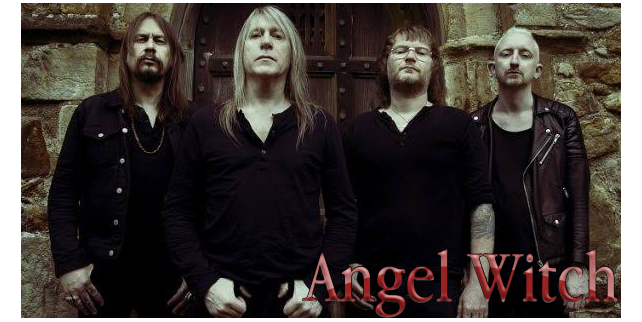
Blame starts with the man in charge. Their manager, Ken Heybourne, ran the business side and would not let go of it. Angel Witch had an opportunity with EMI, but the relationship never developed into the kind of long-term partnership that might have changed everything. Handing the reins to an outsider probably felt like betrayal, and I get that, but look at what a real operator did next door. Maiden had Rod Smallwood. He worked the radio people, locked in the tours that mattered, treated a young act like an investment rather than a passion project. Angel Witch had management that meant well but never gave them the same kind of professional machinery.
The first single they put out with real backing, “Sweet Danger,” limped up to #75, hung there seven days, then dropped off the map. Guinness later helped turn that chart showing into part of the band’s unfortunate legend, with Angel Witch becoming associated with one of the least successful chart appearances ever recorded. Read that twice. A record people now treat as bedrock for the whole movement shares a shelf with a commercial flop. You could not script it meaner.
So they landed at Bronze, a low-key outfit with none of EMI’s reach, and cut the thing at Roundhouse Studios late in 1980. December is when it hit. Heybourne handled guitar and lead vocals, Kevin Riddles took bass, Dave Hogg sat behind the kit. “Atlantis,” “White Witch,” “Sorceress,” “Angel of Death,” heavier and weirder than most of what their rivals were pushing that year. Even the sleeve carried menace, a hellscape of angels tumbling into the pit, borrowed from an old apocalyptic painting. These Londoners were not playing around.
Now the strange part. Heybourne almost cut the title song entirely, figured it was too soft next to the darker stuff he was writing. The producer overruled him, said it had to be the single. Smart call. Barely three minutes long, built on a hook a drunk room can shout back at you, it turned into the one piece everybody remembers. The song he almost binned is the reason anyone still says the name.
1980 was the peak year for all of it. Judas Priest had British Steel out, Saxon dropped Wheels of Steel, Diamond Head gave us Lightning to the Nations, every one of them inside the same handful of months. That was a rough neighborhood to debut in. Put the vinyl on and Angel Witch belonged in that class, no question. Getting people to notice was the fight they lost.
Then it all came apart, fast. Hogg was out of the band. Riddles quit to build Tytan. Heybourne, the one guy who stayed, tried plugging in replacements, lost heart, and wandered off into Deep Machine. Come 1982 the original crew was finished. Two years was the entire run of the classic lineup, and right about then Maiden was loading in for The Number of the Beast and a decade of packed halls.
I have chewed on the why more nights than I want to admit, headphones on, the debut going round again. Management is the first thing I keep landing on. Nobody steering meant no strategy, no proper touring push, no muscle to make the label work harder. The revolving cast hurt just as bad. A band that keeps trading members never builds the tightness that pulls you through the dry years, and back then the genre belonged to crews who toured like maniacs and refused to split. Then there was the money side. Dropping to a small label after the bigger opportunity disappeared meant less cash, less clout, barely any push into the States, which was the market that decided who ate.
Here is the twist that keeps it from being a pure tragedy. The music never lost a step. Metallica nodded to it, Candlemass built on it, Ghost picked it up years later. That opening track even turned up in the game Brütal Legend, dropping a whole new batch of kids onto a chorus some skint teenager wrote off as filler. Doom acts swiped the mood. Thrash kids ran the riffs into the ground. Somehow the reputation kept spreading no matter how little came back.
He never fully quit, still hasn’t. Screamin’ ‘n’ Bleedin’ and Frontal Assault turned up mid decade, alright but nobody’s favorites. A 2012 comeback, cut with the same producer who later worked with Ghost, showed the spark was there. The name holds a slot on European festival posters to this day, and the diehards always turn out.
Even now, when that song comes through the speakers, I hear the arena run they should have gotten and never did. Being good was not enough. The playing was there, the writing was there, and the wrong people in the wrong seats sank the whole shot, which is how you end up a cult favorite instead of a headliner. The music came out on top. The guys who cut it earned a lot more than a trivia line and a loyal little pocket of fans.
Maybe that is as metal as it gets. Nobody rides in to fix it, nobody gets the last laugh, just a savage record that would not lie down and a group built to rule the world making peace with a corner of it. Put it on loud. That much they are owed.
Staff Writer; Jerry Powell
JP is into heavy metal, rock, blues and just about anything old school… Most days, he would rather talk about a great album than whatever is trending… Hit him up at JPowell@ThyBRHM.com.