
(TheBRHM.com) Every few months somebody drags the same argument back out into the daylight, usually in a comment section, usually with a Slayer avatar. Heavy music got soft. Heavy music got sold. And the finger always points at one place.
The story goes that metalcore ruined everything. Soft choruses. Screaming boys with swoopy hair. Breakdowns you could set a watch to. I heard it from thrash purists, from death metal dudes, from old punks who still think anything with a melody is a betrayal. And I get the frustration. I really do. But that story is lazy, and it lets the actual culprits walk.
Because here is the thing nobody wants to say out loud. What broke was not the music. What broke was the copy machine.
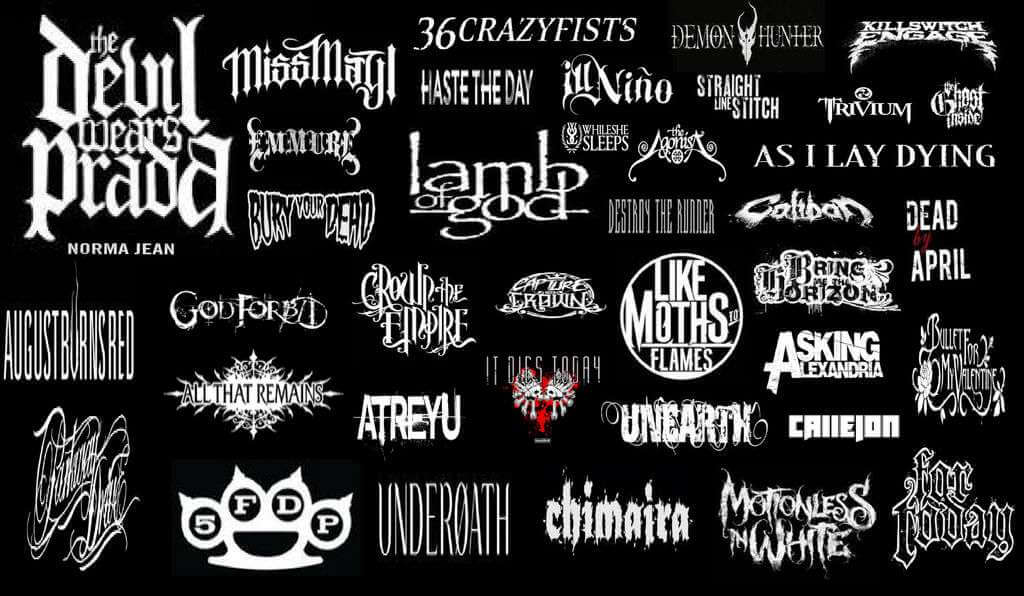
Go back and put on Killswitch Engage, Alive or Just Breathing. That record still sounds like a building coming down. Adam D and Joel had thrash muscle in the riffs and hardcore urgency underneath, and Jesse Leach sang like he was trying to survive something. Howard Jones took over later, a Black man whose voice ran like a diesel engine, and the whole thing got bigger without getting safer. None of those guys were working from the polished commercial template that would harden a few years later. They were helping define it while everybody watched.
Converge made Jane Doe out of the same restless instinct. Botch too. Poison the Well, Zao, Shai Hulud, and Hatebreed held the hardcore spine in place while the guitars got meaner around it. What all of them shared was a willingness to jam together things that were not supposed to fit, and that friction is what tightened your chest. Melody rubbing against violence. Some guy howling about his ruined life over a riff you could bench press to. The tension was the whole point.
Then the money showed up.
I remember when I first noticed it, maybe 2006 or so. A friend put on a new band and I could not tell you who it was within four seconds of the song starting. Not because it was bad. Because it was familiar in a way that felt manufactured. Chugging intro. Verse with a scream. Then, right on schedule, the clean chorus arrives like a scheduled bus. Second verse, a little gang shout, and at roughly two minutes and thirty seconds, the drop. Half time. Everybody in the room does the same windmill. Song ends. Next track does it again.
That is not a genre. That is a spreadsheet.
Labels are not stupid. Once the sound proved commercial, the industry did what any business does with a proven product. It found more of it. A&R guys started walking into rehearsal spaces asking bands if they had a single with a big hook on it, and if the answer was no, the answer became yes real quick. Producers started reaching for the same drum samples, the same clicky kick, the same layered vocal stack until every record had that shrink wrapped sheen. You could hear the plugin chain before you heard the band.
None of that is the fault of a breakdown. A breakdown is a tool. Hatebreed swung it like a hammer and it worked beautifully. Trouble starts when the hammer becomes the only thing in the toolbox and every problem in the room suddenly looks like a nail. Repetition did the damage here, nothing else. Melody never hurt anybody, and emotion sure did not. Blues singers have been crying into microphones for a century and nobody ever pulled their card for it.
Something else has been sitting with me for years. A lot of the sneering at this style carried a whiff I never cared for. The crowd got younger. It got more mixed. Girls showed up. The songs started admitting to feelings, and right around then the gatekeepers discovered they had strong opinions about authenticity. Funny how the purity talk gets loud the moment the room stops looking the way it used to look.
And the roots run right through us anyway. The hardcore half of this whole equation owes a major debt to Bad Brains, four Black men from D.C. who played faster and tighter than anybody alive and then dropped into reggae mid set because they felt like it. H.R. floating above that chaos. That is the DNA. Ice T started Body Count because he loved Slayer and Suicidal Tendencies and did not see why the door should be closed to him. Living Colour outplayed everybody on the radio in 1988. Sevendust has been carrying a groove nobody else can touch since Lajon Witherspoon opened his mouth. Diamond Rowe writes riffs in Tetrarch that would embarrass most of the guys complaining online. Alexis Brown screamed her lungs out in Straight Line Stitch while people acted surprised she was there.
So when somebody tells me this whole lane went soft, I want to know which lane he was actually looking at. Then I want to know who he was willing to see standing in it.
The formula is still around, and it still sells. That is the uncomfortable part. Kids clip a breakdown, post it, and the algorithm hands out reach to whoever lands that low tuned punch at the right second. On Spotify, a play does not even count as a stream until it reaches thirty seconds, giving bands one more reason to land the punch early. Playlists are built to slot in whatever resembles the track before it. So the machine keeps turning out bands who sound like each other, because that is exactly what it was engineered to do. The incentive is the villain here, not the instrument.
Meanwhile the good stuff never actually stopped. Knocked Loose made a record so ugly and inventive that the mainstream had to walk over to them. Turnstile took the crossover and painted it in colors nobody saw coming. Zulu, a Black powerviolence band, put out one of the heaviest and most beautiful things I have heard in years, sampling soul records in between the grind. Soul Glo screams about being Black in America over riffs that keep going sideways. Add Jesus Piece, Vein.fm, Loathe, and End to the pile. Every one of them tells you the mixture was never the issue. The xerox was.
You want to know if a band is alive or is just running the pattern? Simple test. Take away the drop. If there is nothing underneath, if the riffs are only there to get you to the payoff, you already have your answer. The great ones survive that test easy. Their songs work as songs.
So no, I will not join the chorus of guys blaming a whole style for the sins of the people who monetized it. That is like blaming the recipe because a chain restaurant froze it and shipped it to a thousand locations. The recipe was good. Somebody just decided the best move was to make it forever, everywhere, exactly the same, until you could not taste anything.
Hold onto the breakdowns. The singing stays. So do the feelings. Toss the copy machine out the window and let people write songs again.
Staff Writer; Terry Poole
This brother brings sharp ears, deep respect, and real passion to every heavy metal riff, rock record, and overlooked gem he covers for TheBRHM… He writes for fans who still believe loud music should have soul, history, and meaning…
One may contact him at TerryP@TheBRHM.com.